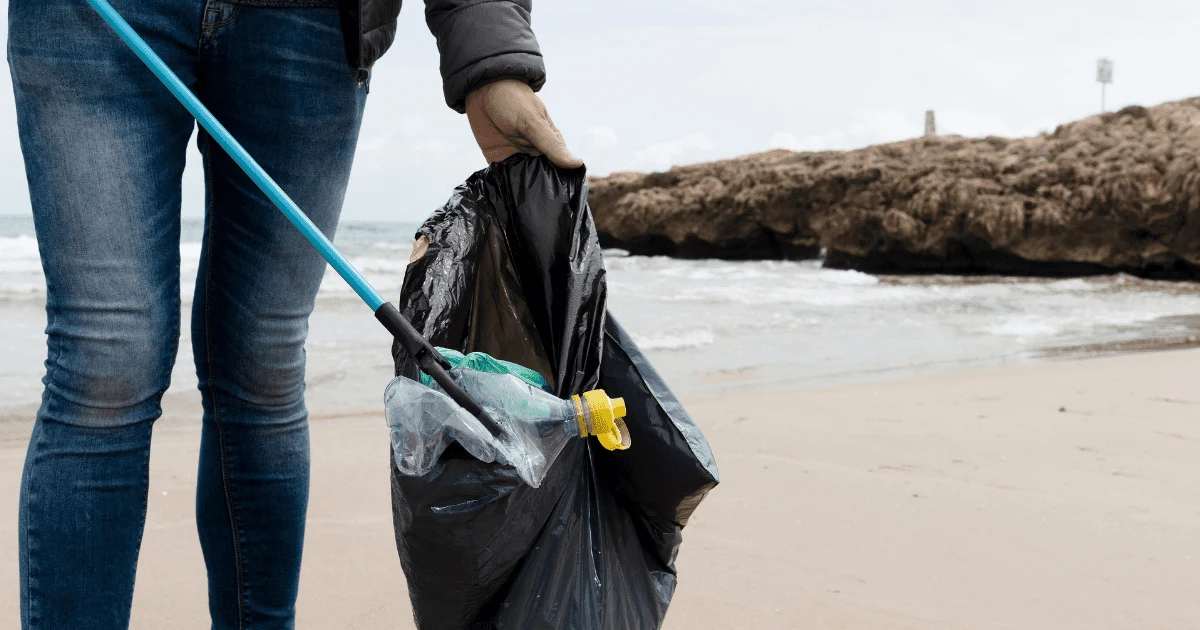
Black’s Beach in La Jolla, San Diego, is known for its beautiful Pacific Ocean views, towering coastal cliffs, and popular surf breaks. However, like other coastal environments, it can be affected by plastic waste, food packaging, fishing line, and litter carried from inland areas. A responsible Black’s Beach cleanup helps protect marine wildlife, preserve the natural landscape, and make the shoreline more enjoyable for everyone.
Whether you are a local resident, surfer, student, or first-time visitor, you can help keep Black’s Beach clean. From collecting litter during a regular visit to participating in an organized volunteer event, small actions can contribute to a healthier coastline.
Why Is Keeping Black’s Beach Clean Important?
Beach litter is more than an eyesore. Plastic and other discarded materials can enter the ocean, harm wildlife, and damage coastal habitats. Lightweight rubbish may also travel through storm drains and waterways before reaching the shoreline.
The California Coastal Commission explains that marine debris can threaten wildlife and aquatic habitats while creating environmental and economic problems. Preventing litter from reaching the ocean is therefore an important part of coastal conservation. <Cite refs={[“turn186615search5″,”turn186615search2”]}/>
Black’s Beach is particularly important to protect because its sandy shoreline, surrounding cliffs, and nearby marine habitats form part of a distinctive coastal environment. Keeping the area clean helps preserve its natural appeal and supports responsible recreation.
1. Bring the Right Supplies for a Beach Cleanup
Preparation makes a cleanup easier and safer. You do not need expensive equipment to collect ordinary litter, but a few reusable supplies can help you work efficiently.
Consider bringing:
- A reusable bucket or sturdy rubbish bag.
- Gardening gloves to protect your hands.
- A litter grabber or reusable tongs.
- Closed-toe shoes for walking over uneven ground.
- Drinking water, sunscreen, and a hat.
- A reusable bottle instead of disposable drinks containers.
The California Coastal Commission recommends gloves, suitable footwear, sun protection, and reusable collection supplies for self-guided cleanups. <Cite refs={[“turn186615search2″,”turn186615search3”]}/>
Before starting, check the weather, tides, surf conditions, and beach access information. Black’s Beach lies beneath steep, unstable cliffs, and the City of San Diego warns that access can be difficult. Stay away from cliff faces and avoid closed or unsafe routes. <Cite refs={[“turn186615search1”]}/>
2. Collect Litter Without Harming Wildlife
During a Black’s Beach cleanup, focus on human-made rubbish such as plastic wrappers, bottles, cans, and discarded packaging. Small items matter because they can be difficult to notice and may eventually reach the ocean.
Follow these responsible cleanup practices:
- Pick up ordinary litter only when it is safe to reach.
- Check the sand carefully without disturbing wildlife.
- Keep a respectful distance from birds and marine animals.
- Avoid disturbing nests, eggs, seaweed, shells, and other natural materials.
- Never chase or handle wildlife for a better view.
Do not touch sharp objects, medical waste, syringes, or unknown chemicals. Leave hazardous items in place, keep other visitors away if possible, and report them to the appropriate local authority. Your safety should always come before collecting additional rubbish.
3. Reduce Waste Before You Reach the Beach
The most effective cleanup strategy begins before a visit. Reducing the amount of rubbish you bring helps prevent litter from entering the coastal environment in the first place.
Pack snacks in reusable containers, carry a refillable water bottle, and avoid unnecessary single-use packaging. Secure lightweight items so that wind cannot blow them across the sand.
Always take your rubbish with you when leaving. Do not leave bags beside an overflowing bin or assume someone else will collect them. San Diego’s beach regulations prohibit littering on beaches, cliffs, walkways, and adjacent parking areas. <Cite refs={[“turn186615search0”]}/>
These simple habits make every beach visit an opportunity to prevent pollution.
4. Join a Local Coastal Cleanup Event
Organized cleanups can bring together volunteers, families, students, and community groups to remove litter and raise awareness about marine pollution. They may also collect information about the types of waste found along the coast.
One resource is the, which provides event information and guidance for participants. You can also explore its\ if you prefer to organize your own activity.
Check event listings before traveling, because not every cleanup takes place directly at Black’s Beach. Follow organizer instructions, use designated waste collection points, and confirm whether registration or a waiver is required.
5. Dispose of Collected Waste Properly
Collecting rubbish is only part of the process. Waste must also be handled and disposed of responsibly.
Keep recyclables separate when local facilities accept them, and place ordinary rubbish in the appropriate bins. Follow any instructions provided by cleanup organizers or local authorities.
Do not leave filled bags on the beach unless an event coordinator has identified a designated collection point. Afterward, clean reusable equipment and wash your hands thoroughly.
If you record the quantity and types of items collected, you can help build a clearer picture of local litter problems and encourage better prevention efforts.
6. Encourage Others to Protect Black’s Beach
Long-term change comes from community participation. Encourage friends to take their rubbish home, share responsible beach practices, and support local conservation activities.
Teachers and families can use a cleanup as an opportunity to explain how litter travels from streets and storm drains to the ocean. Surfers and regular visitors can also set a positive example by leaving their usual beach area cleaner than they found it.
Consistent habits, repeated by many people, can make a lasting difference.
Frequently Asked Questions
Can I organize my own Black’s Beach cleanup?
Yes, you can conduct a small, self-guided cleanup where access is permitted. Check current beach conditions, follow local rules, and contact the relevant authorities before organizing a larger group or special event.
What should I do if I find dangerous waste?
Do not handle needles, sharp metal, chemicals, or unidentified objects. Keep your distance and report the hazard to local authorities or beach personnel.
How often should visitors clean the beach?
Whenever it is safe and practical. Picking up a few pieces of ordinary litter during a visit, alongside participating in organized events, helps make cleanup a regular community habit.
Conclusion
A successful Black’s Beach cleanup starts with simple, responsible actions: bring reusable supplies, collect safe-to-handle litter, protect wildlife, and dispose of waste correctly. By reducing rubbish before it reaches the ocean and supporting community cleanup efforts, visitors can help preserve Black’s Beach for future generations.
Leave only footprints, respect the coastline, and encourage others to do the same.