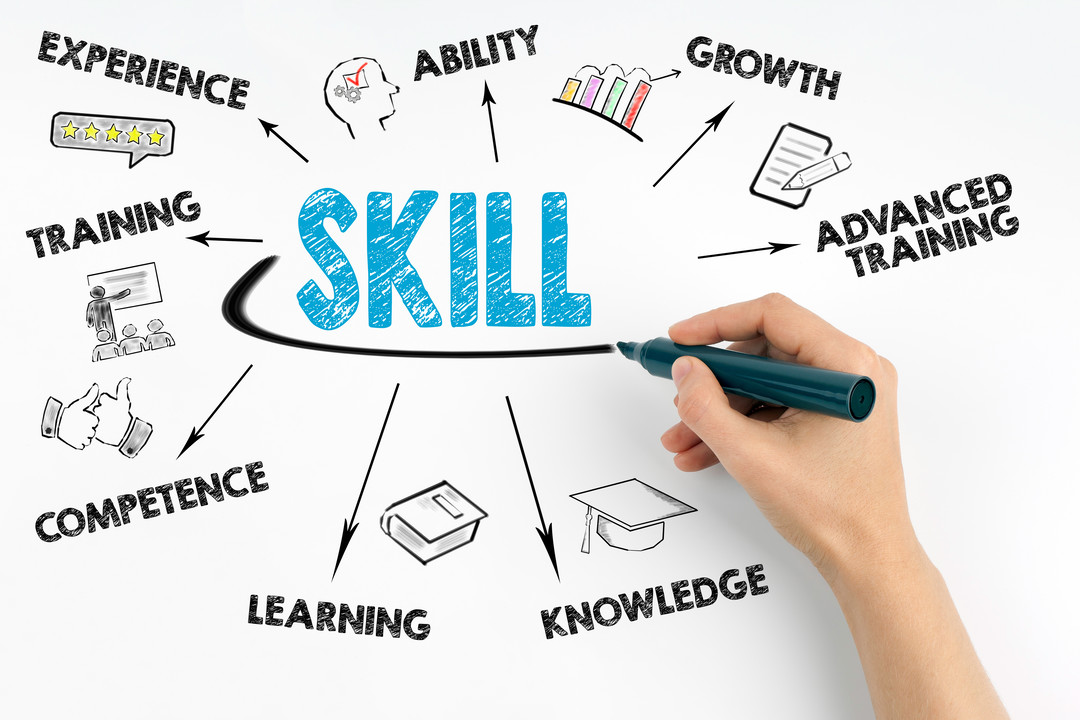
The world of work is changing rapidly. Technology, automation, artificial intelligence, remote collaboration, and evolving business models are influencing the skills employers value. For students, earning a degree remains important, but academic knowledge alone may not always be enough to succeed in a competitive job market.
Modern education is increasingly focused on helping learners develop practical abilities that can be applied beyond the classroom. Students who combine subject knowledge with communication, problem-solving, digital awareness, adaptability, and teamwork can be better prepared for changing professional environments.
Understanding which skills are becoming important can help students make more informed decisions about their education and career development.
Why Future Skills Matter
Employers operate in an environment where technologies and workplace expectations can change quickly. A skill that is highly valuable today may need to be updated tomorrow.
This does not mean students should constantly chase every new technology. Instead, they should develop a strong foundation that allows them to learn and adapt throughout their careers.
Future-ready education focuses on transferable abilities. These skills can remain useful even when specific software, platforms, or workplace processes change.
Critical Thinking and Problem Solving
Critical thinking is one of the most valuable skills students can develop. It involves analyzing information, questioning assumptions, evaluating evidence, and reaching reasoned conclusions.
Modern workplaces often require employees to solve problems rather than simply follow instructions. A professional may need to identify why a project is underperforming, determine which information is reliable, and decide what action should be taken.
Students can strengthen critical thinking through research projects, debates, case studies, analytical writing, and practical problem-solving activities.
Learning how to approach a difficult question systematically can be more valuable than memorizing information that may eventually become outdated.
Communication Skills
Strong communication remains essential across almost every profession.
Students may have excellent technical knowledge, but they also need to explain their ideas clearly. Written communication, presentations, meetings, professional emails, and digital collaboration are all common parts of modern work.
Good communication is not simply about speaking confidently. It also involves listening carefully, understanding different perspectives, asking useful questions, and adapting a message to a particular audience.
Universities and educational institutions can help students develop these abilities through presentations, group projects, writing assignments, and collaborative activities.
Digital Literacy
Digital literacy has become a basic requirement for many careers. Students should be comfortable using common digital tools and understand how technology affects their academic and professional environments.
Digital literacy can include researching information online, managing digital documents, collaborating through online platforms, protecting accounts, and understanding basic cybersecurity principles.
Students should also learn how to evaluate digital information. The ability to distinguish reliable sources from misleading or inaccurate content is particularly important in an environment where large amounts of information are available instantly.
Adaptability and Continuous Learning
One of the most important abilities for the future workforce is adaptability.
Employees may need to learn new software, change responsibilities, work with different teams, or adjust to new business processes. Someone who is comfortable learning new things may be better prepared for these transitions.
Students can develop adaptability by exploring subjects outside their main field, learning new technologies, participating in projects, and treating unfamiliar tasks as opportunities to build experience.
Education should therefore encourage curiosity rather than focusing only on completing a fixed curriculum.
Creativity and Innovation
Technology can automate many repetitive activities, but creativity remains an important human capability.
Creative thinking allows people to develop new ideas, identify alternative solutions, and approach familiar problems from different perspectives.
Students can strengthen creativity through writing, design, entrepreneurship projects, research, presentations, arts, and interdisciplinary learning.
Creativity does not belong to one particular profession. Engineers, marketers, educators, business professionals, researchers, and many other specialists can benefit from the ability to generate and evaluate new ideas.
Teamwork and Collaboration
Modern projects are often completed by teams rather than individuals working independently.
Students who learn how to collaborate can become more comfortable sharing responsibilities, resolving disagreements, giving feedback, and working toward common objectives.
Group assignments can provide valuable preparation for professional environments. However, effective teamwork requires more than dividing a project into separate pieces. Students should learn how to communicate regularly, respect different viewpoints, and contribute meaningfully to shared goals.
Emotional Intelligence
Technical knowledge is important, but successful professional relationships also depend on interpersonal skills.
Emotional intelligence includes self-awareness, empathy, communication, and the ability to manage reactions in challenging situations. These qualities can help people work effectively with colleagues, customers, managers, and diverse teams.
Students can develop these skills through teamwork, leadership opportunities, volunteering, presentations, and real-world experiences.
Data Awareness
Data is influencing decision-making across many industries. Students do not necessarily need to become professional data scientists, but understanding basic data concepts can be useful.
Data awareness includes knowing how to interpret charts, recognize patterns, question unusual results, and understand the difference between evidence and assumptions.
For students entering business, science, technology, healthcare, marketing, finance, or other fields, the ability to understand data can support better decisions.
Cybersecurity Awareness
As more academic and professional activities move online, basic cybersecurity knowledge is increasingly important.
Students should understand the importance of strong passwords, secure accounts, software updates, privacy settings, and recognizing suspicious messages.
Cybersecurity is not only a technical responsibility for specialists. Everyday users can also influence the security of an organization by how they handle information and digital accounts.
Building good digital habits during education can help students carry those habits into their professional lives.
Leadership and Responsibility
Leadership is not limited to people with management positions. Students can develop leadership by taking responsibility for projects, helping classmates, organizing activities, and making thoughtful decisions.
Good leadership involves communication, accountability, decision-making, and the ability to motivate others.
Educational institutions can create opportunities for students to practice these abilities through student organizations, group projects, community activities, and practical assignments.
Learning Beyond the Classroom
Academic courses provide an important foundation, but real-world experiences can add another dimension to education.
Internships, volunteering, research projects, competitions, part-time work, and personal projects can help students understand how knowledge is applied in practical situations.
These experiences can also help students discover their interests and identify areas where they need further development.
A student who combines academic learning with practical experience may enter the workforce with a broader understanding of professional expectations.
How Students Can Prepare Today
Developing future-ready skills does not require students to master everything at once. A practical approach is to choose a few areas and improve them consistently.
Students can begin by strengthening communication, learning useful digital tools, participating in collaborative projects, practicing independent research, and exploring opportunities related to their career interests.
They can also build a habit of continuous learning. Reading industry news, taking short courses, attending workshops, and working on personal projects can help maintain relevant knowledge over time.
Conclusion
The future workforce will continue to change as technology, business, and society evolve. Students therefore need more than academic knowledge to prepare for long-term career success.
Critical thinking, communication, digital literacy, adaptability, creativity, teamwork, emotional intelligence, data awareness, cybersecurity knowledge, and leadership can all contribute to a strong professional foundation.
The purpose of education is not simply to prepare students for their first job. It should help them develop the ability to keep learning, solve unfamiliar problems, and adapt throughout their careers.
By developing both academic knowledge and practical skills, students can become better prepared for a professional world where change is likely to remain a constant part of working life.