Digital learning continues to reshape higher education as universities explore new ways to deliver courses, support students, and improve access to academic resources. Advances in artificial intelligence, online platforms, cloud technology, and interactive learning tools are creating new possibilities for students in 2026.
The latest developments show that digital education is no longer simply an alternative to traditional classroom teaching. Instead, universities are increasingly combining physical instruction with digital resources to create more flexible learning environments.
Digital Learning Is Becoming a Mainstream Education Model
Online education has changed significantly over the past several years. Universities now use learning management systems, video platforms, digital libraries, online assessments, and interactive resources as part of regular academic programs.
Students can access lectures, course materials, assignments, and research resources from different locations. This flexibility can be particularly useful for students who have work responsibilities, long commutes, or other commitments.
Rather than replacing traditional education entirely, digital learning is becoming part of a broader approach to higher education.
Artificial Intelligence Is Adding New Possibilities
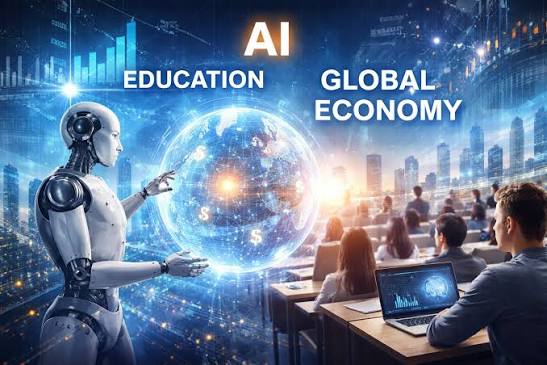
Artificial intelligence is one of the most significant technologies influencing digital education. AI-powered tools can assist students with research, explanations, practice activities, language support, and other learning tasks.
Universities are also examining how AI can help educators manage certain repetitive responsibilities and develop more personalized learning experiences.
However, institutions are increasingly emphasizing responsible use. Students need to understand that AI-generated information should be checked carefully and that technology should support learning rather than replace independent thinking.
Personalized Learning Is Gaining Attention
Traditional courses often provide the same material and schedule to an entire class. Digital platforms can offer greater flexibility by allowing students to access additional explanations, practice exercises, and learning materials based on their needs.
Personalized learning does not mean every student receives a completely different course. Instead, technology can provide additional support where students need it most.
This approach can help learners spend more time reviewing difficult topics while progressing more quickly through areas they already understand.
Online Resources Are Expanding Access
Digital libraries and online academic databases have become essential resources for modern students.
Instead of depending entirely on printed materials, students can access electronic books, academic journals, research papers, databases, and multimedia resources through university systems.
This can make research more convenient and allow students to continue academic work outside traditional library hours.
For universities, maintaining high-quality digital collections is becoming an important part of providing modern academic services.
Hybrid Learning Offers Greater Flexibility
Many universities are exploring hybrid learning models that combine classroom instruction with online activities.
A course might include face-to-face lectures alongside recorded materials, online discussions, digital assignments, and virtual group projects.
This model can give students greater flexibility while preserving the benefits of direct interaction with instructors and classmates.
Hybrid education can also encourage students to develop digital communication and collaboration skills that are increasingly relevant to professional workplaces.
Digital Skills Are Becoming Career Skills
The expansion of digital education is closely connected to changes in the employment market. Businesses across many industries use cloud platforms, digital communication systems, data tools, automation, and AI technologies.
University students therefore need more than subject-specific knowledge. They also need the ability to work effectively with digital tools.
Universities can help by incorporating practical technology activities into different academic disciplines rather than limiting digital education to technical programs.
The Importance of Digital Literacy
Having access to technology does not automatically mean students know how to use it effectively.
Digital literacy includes understanding how to search for information, evaluate online sources, protect personal data, communicate professionally, and use digital tools responsibly.
These skills are particularly important in an environment where students encounter large amounts of information every day.
Universities can strengthen digital literacy through research assignments, technology workshops, academic guidance, and practical projects.
Challenges Still Remain
Despite the advantages of digital learning, universities face several challenges.
Not every student has the same access to reliable internet connections, suitable devices, or quiet places to study. Digital platforms can also create technical difficulties when systems are poorly designed or difficult to navigate.
There are additional concerns about privacy, cybersecurity, accessibility, and the responsible use of AI.
Universities need to consider these challenges when expanding digital education so that technological progress does not create new barriers for students.
Teachers Remain Central to Education
The growth of digital learning does not eliminate the importance of teachers. In many cases, technology makes the role of educators even more important.
Teachers provide context, feedback, encouragement, and academic judgment. They can help students understand complex ideas and challenge them to think more deeply.
Technology can provide information and tools, but meaningful education still depends heavily on human interaction.
The strongest digital learning models are therefore likely to combine technology with effective teaching rather than treating them as competing alternatives.
Universities Are Preparing for a Digital Future
The expansion of digital learning is likely to continue as universities invest in new platforms and educational technologies.
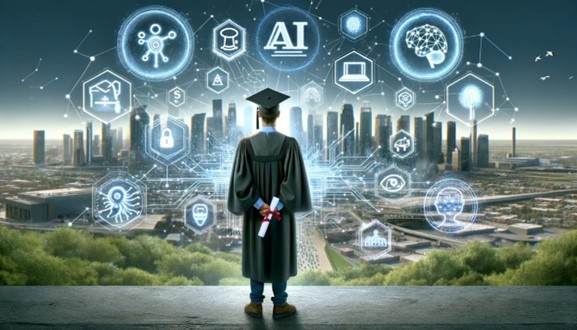
Institutions may increasingly focus on flexible course structures, AI literacy, digital research resources, online collaboration, and practical technology skills.
Students who become comfortable learning through both traditional and digital environments may be better prepared for future education and employment.
Conclusion
Digital learning is entering a new stage as universities combine online platforms, artificial intelligence, digital resources, and traditional teaching methods. The goal is not simply to move education onto computers but to create more flexible, accessible, and engaging learning experiences.
As technology continues to develop, universities will need to balance innovation with academic quality, privacy, accessibility, and human interaction.
For students, the changing education environment presents an important opportunity. Developing strong digital literacy while maintaining critical thinking and independent learning skills can help them succeed in both modern universities and the evolving workplace.